
Wide Planks, Longstrip or Herringbone? Choosing Your Floor Format
Format changes everything about how a floor feels. Here's how to pick the right one.
Two floors in the same oak and colour can feel completely different depending on their format. Board width, length and pattern shape the whole character of a room — so it's worth understanding your options before you choose.
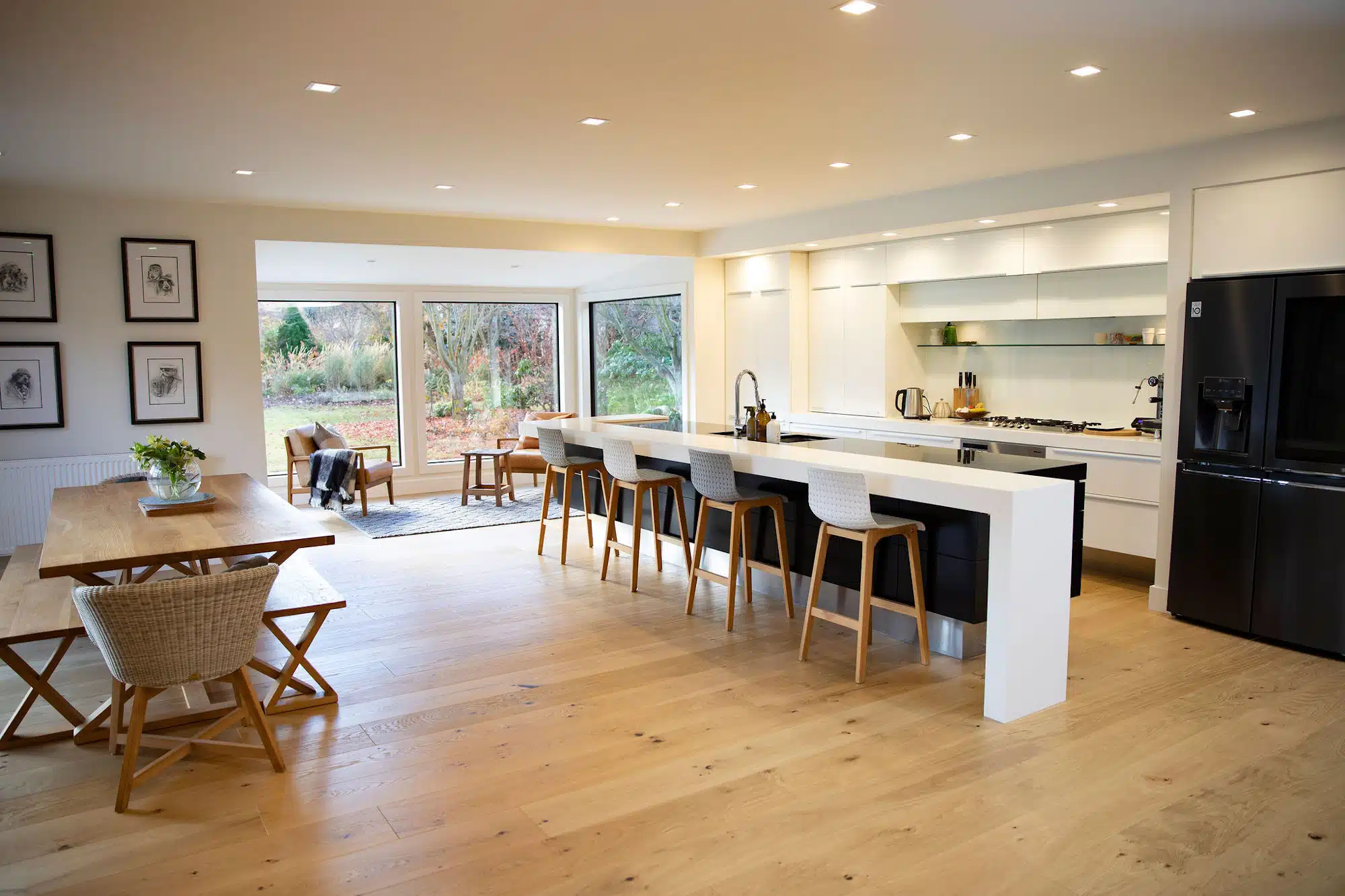
Wide plank (PLAZA, 240mm)
Extra-wide boards make a calm, contemporary statement. With fewer joins and long, uninterrupted runs of grain, they suit open-plan spaces and modern interiors beautifully — the grain itself becomes a feature.
Standard plank (180mm)
The versatile classic. Generous but balanced, a 180mm single-strip plank works in almost any home, from heritage to contemporary. It's the safe, timeless middle ground.
Longstrip (3-strip)
Longstrip arranges shorter staves into a finer, more traditional pattern. It reads as busier and more textured up close, and suits classic interiors and tighter budgets.
Herringbone & parquet
For real impact, a herringbone or parquet floor brings rhythm, craft and timeless elegance. It's more involved to lay — and worth every minute. Tip: laying boards in the direction of the main light source makes any format feel more harmonious and spacious.
Frequently asked questions
Do wide planks make a room look bigger?
Is herringbone more expensive?
Which format is most popular?
More guides
All articles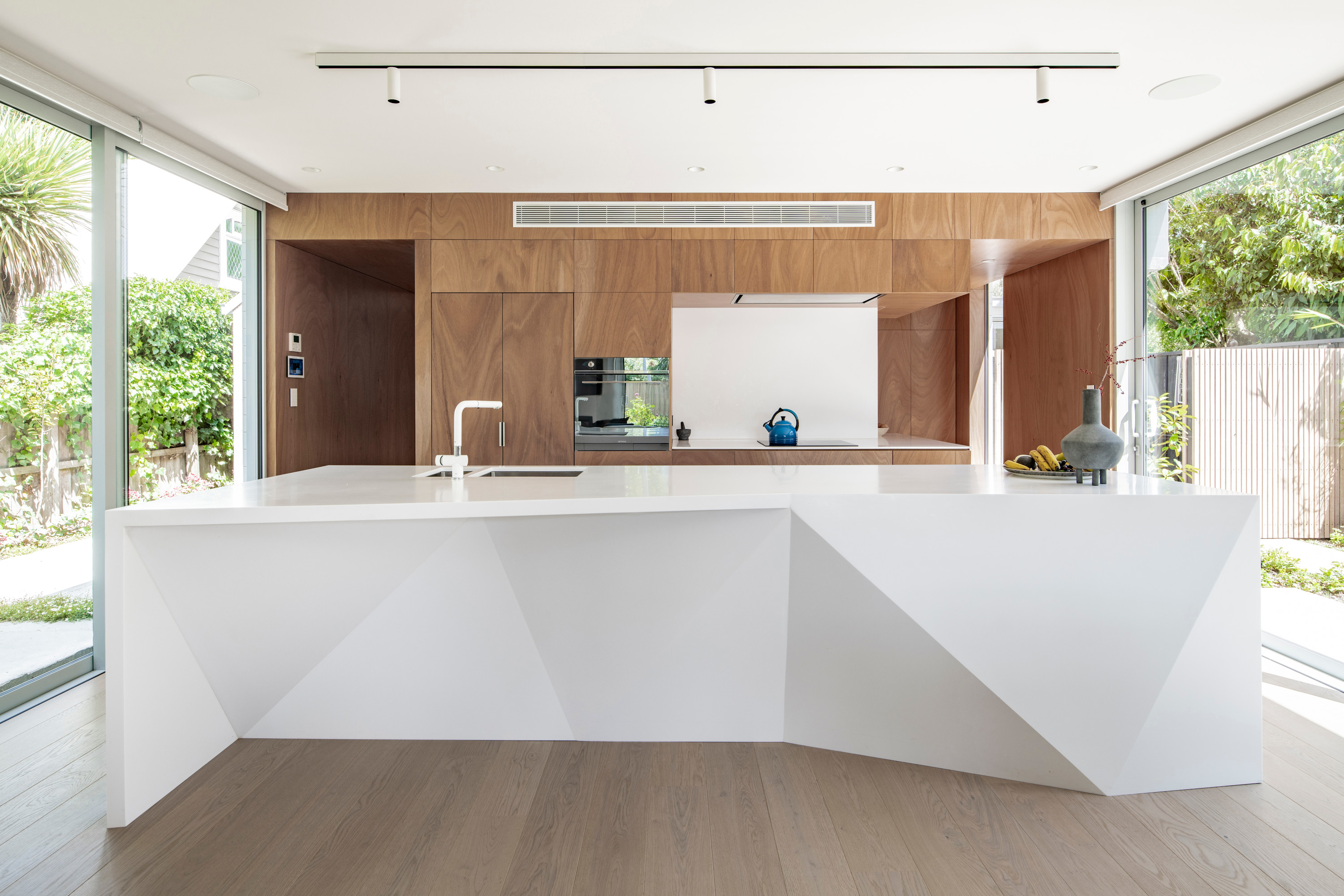
Is Engineered Timber Right for Kitchens, Bathrooms & Wet Areas?
Timber in the kitchen used to mean compromise. Not anymore — here's what you need to know.
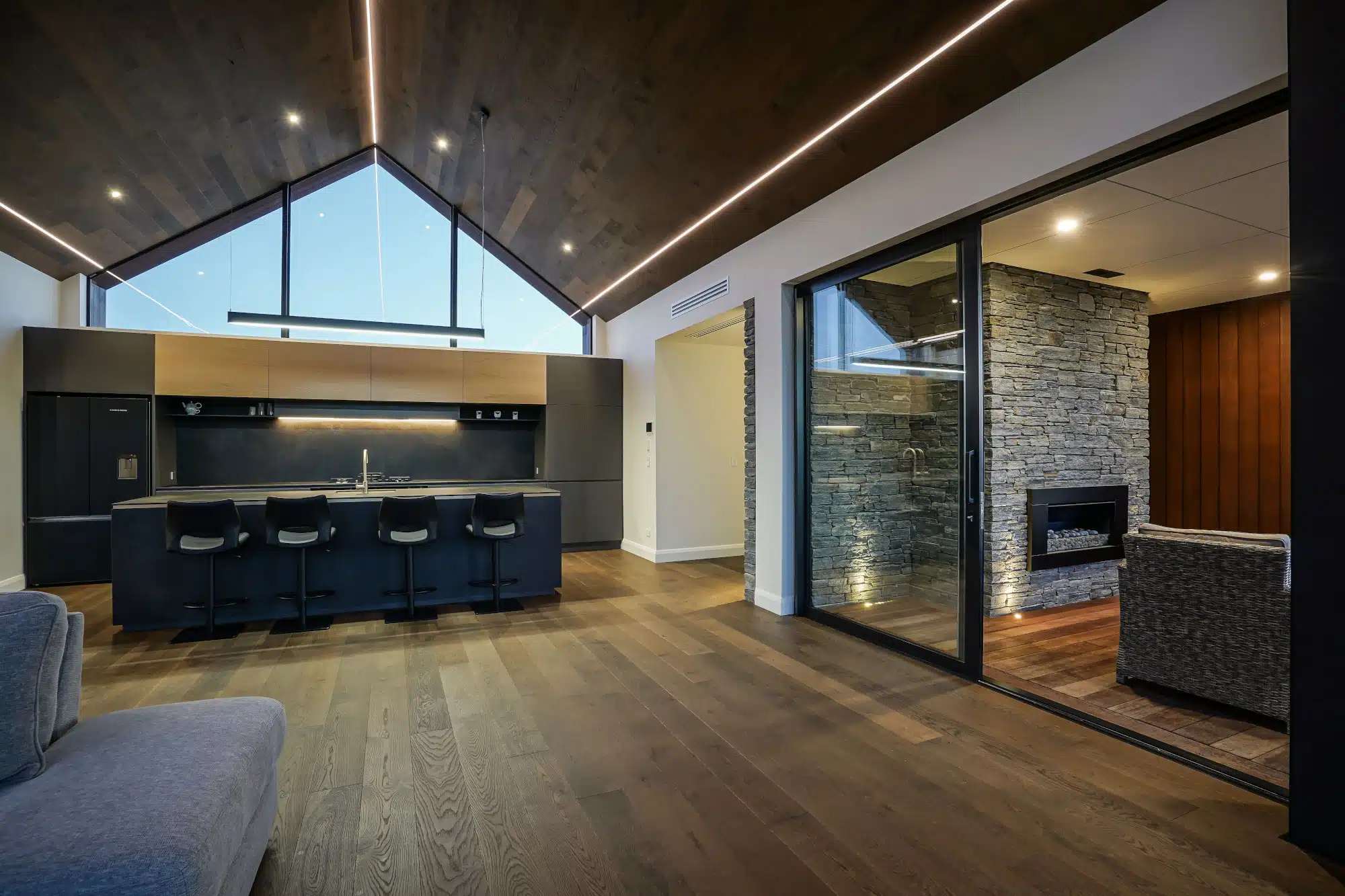
How to Care for Engineered Timber Floors: A Maintenance Guide
Pre-finished and genuinely low-maintenance — here's the simple routine that keeps it beautiful for decades.
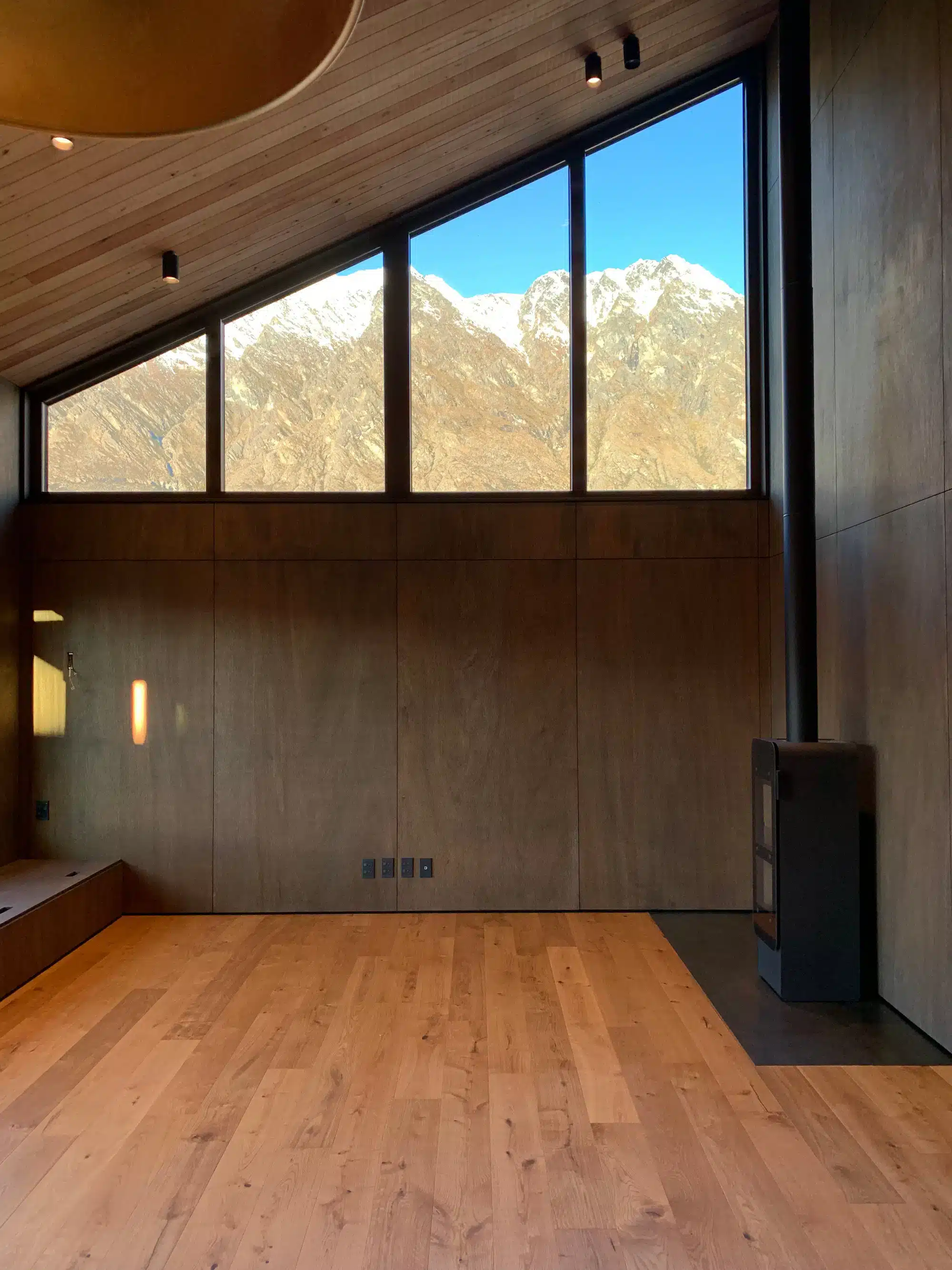
Timber Flooring Trends for 2026
Where timber floors are heading — wider boards, warmer tones, and timber that climbs the walls.
Sustainable Timber Flooring: A Guide to PEFC, the Blue Angel & Healthy Homes
What the certifications actually mean — and how to choose a floor that's genuinely good for your home and the planet.
Turn the idea into a floor you can judge.
Use the guide to narrow the direction, then bring the decision back into the room with visualisation, samples and project advice.
Explore products
Move from the idea to the selected Australian HARO range.
Browse range → 02Use the visualiser
Test the mood and tone against your own room photograph.
Open visualiser → 03Order samples
See the surface in real light before the decision is final.
Request samples → 04Send the project
Use My HARO Project to send your shortlist, plans or document needs together.
Open hub →