
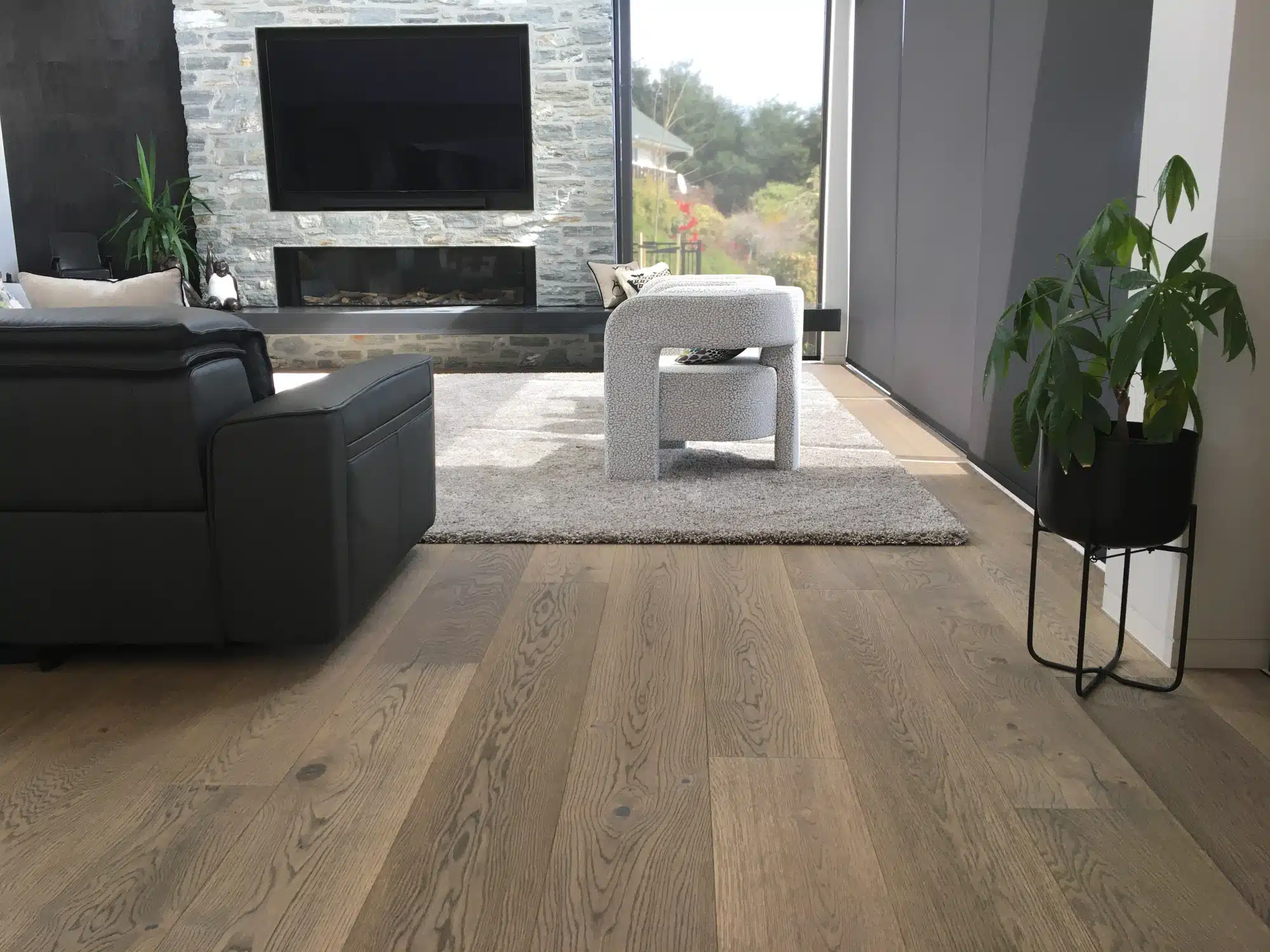
Engineered vs Solid Timber Flooring: Which Is Right for Your Australian Home?
The honest, side-by-side comparison — stability, cost, lifespan and which suits Australian homes.
If you want the warmth and character of a real wood floor, you'll quickly meet two options: solid timber and engineered timber. They look almost identical underfoot, but they're built very differently — and in Australia's varied conditions, that difference matters. This guide breaks down how each is made, how they compare on stability, cost and lifespan, and which tends to be the better choice for Australian homes.
What is solid timber flooring?
Solid timber boards are exactly what they sound like: each plank is milled from a single piece of hardwood, the same material all the way through. It's a beautiful, traditional product that can be sanded back and refinished many times over its life.
What is engineered timber flooring?
An engineered timber flooring board is built in layers. A genuine hardwood wear layer (in HARO's case, 3.5mm of European oak) sits on top of a cross-bonded core — HARO uses solid spruce — with a stabilising backing beneath. You see and feel real oak, but the construction behaves very differently to solid wood.
Why the layers matter
Wood naturally expands and contracts with changes in humidity and temperature. Solid boards move as one piece, which can cause gapping in summer and cupping in winter. Engineered boards counter this: bonding the layers against the grain largely cancels that movement out, so the floor stays flat and stable.
Engineered vs solid: the key differences
- Stability: engineered wins comfortably — far less movement with humidity swings.
- Underfloor heating: engineered is compatible; solid timber generally is not.
- Installation: engineered floors click together and can float over underlay; solid usually needs nailing or full bonding.
- Refinishing: solid can be sanded more times, but a quality engineered wear layer can still be refreshed.
- Cost & sustainability: engineered uses precious hardwood more efficiently, so it's often better value and a lighter footprint.
Which should you choose for your home?
For most modern Australian homes — especially open-plan living, homes with underfloor heating, or anywhere with seasonal humidity changes — engineered timber flooring is the more practical, lower-risk choice. It delivers the look of solid oak with far better stability and a faster, cleaner install.
Solid timber still has its place in heritage restorations or where a client specifically wants a board that can be sanded repeatedly over many decades. If you're weighing it up, Find Your Floor or talk to our team and we'll talk you through it.
Frequently asked questions
Is engineered timber flooring real wood?
Does engineered timber last as long as solid?
Can engineered timber be used with underfloor heating?
More guides
All articles
How to Choose the Right Timber Floor Colour for Your Home
Light, natural, grey or dramatic dark — how to pick a floor tone that works with your light, space and style.
What Does Timber Flooring Cost? An Australian Buyer's Guide
What actually drives the price of a timber floor — and how to get an accurate quote for your project.
Engineered Timber Flooring & Underfloor Heating: The Complete Guide
Yes, you can have real timber over underfloor heating — here's how to do it right.
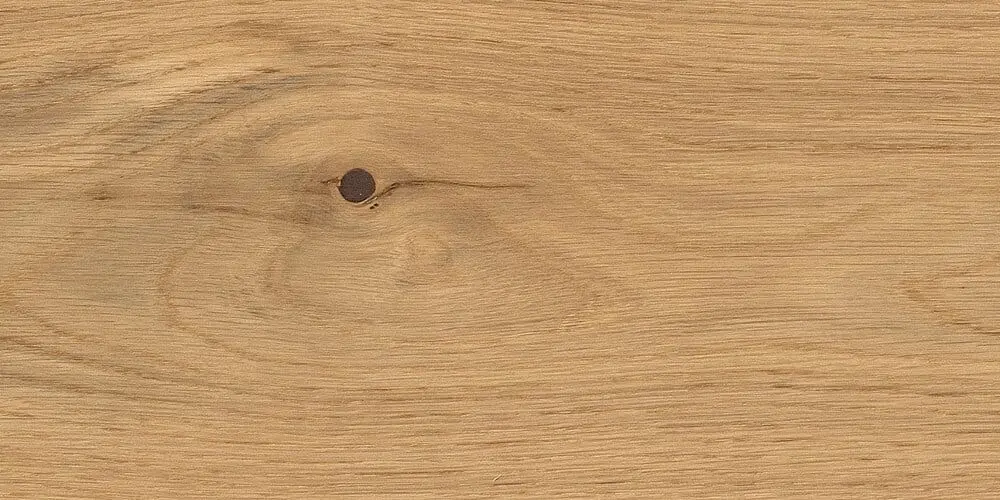
Oak Flooring Grades Explained: Universal, Markant, Sauvage & More
Grade isn't about quality — it's about character. Here's what each one means for your floor.
Turn the idea into a floor you can judge.
Use the guide to narrow the direction, then bring the decision back into the room with visualisation, samples and project advice.
Explore products
Move from the idea to the selected Australian HARO range.
Browse range → 02Use the visualiser
Test the mood and tone against your own room photograph.
Open visualiser → 03Order samples
See the surface in real light before the decision is final.
Request samples → 04Send the project
Use My HARO Project to send your shortlist, plans or document needs together.
Open hub →