
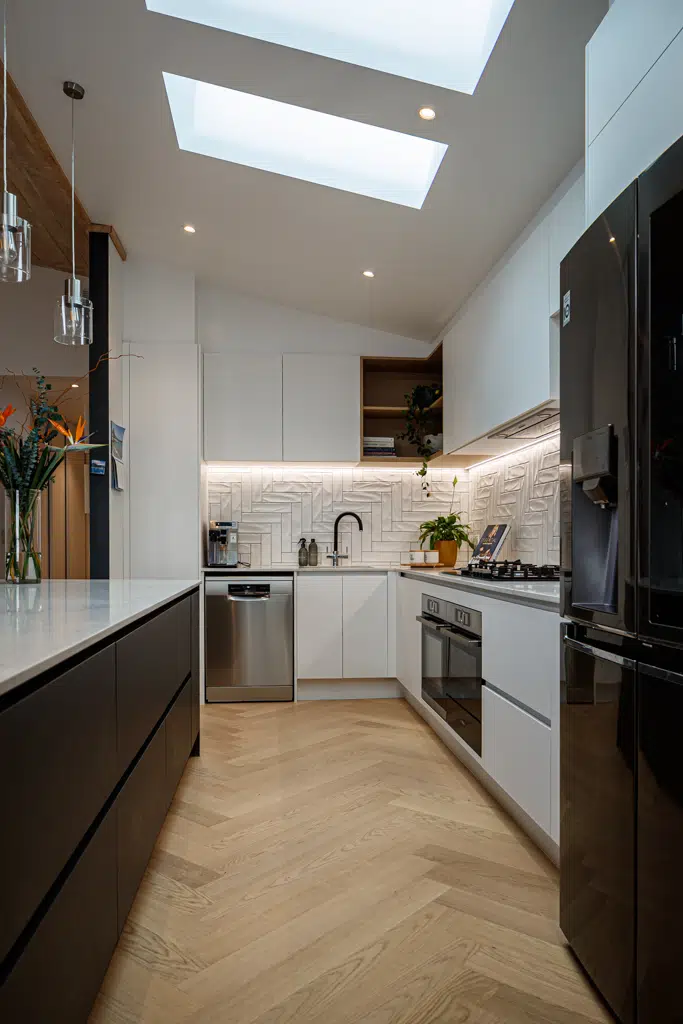
Engineered Timber Flooring & Underfloor Heating: The Complete Guide
Yes, you can have real timber over underfloor heating — here's how to do it right.
Warm timber underfoot on a cold winter morning is hard to beat — and yes, you can absolutely combine a real wood floor with underfloor heating, provided you choose the right product and install it correctly. Here's everything you need to know.
Why engineered timber and underfloor heating work together
Underfloor heating cycles the floor through temperature changes, and solid timber tends to move and gap in response. An engineered timber flooring board, by contrast, is engineered for exactly this: its cross-bonded, multi-layer construction stays dimensionally stable as the floor heats and cools, so it won't cup or gap the way solid boards can.
Know the temperature limit
HARO engineered floors are warranted for use with underfloor heating up to a surface temperature of 29°C. Staying within that limit keeps the timber happy and protects your warranty. A good installer will set up the system to heat gently and evenly.
Installation matters
- Allow the floor to acclimatise to the room before laying.
- Bring the heating up gradually before and after installation, never in a sudden blast.
- Use compatible underlay that doesn't over-insulate the heat away from the surface.
- Avoid blocking heat with large rugs directly over heated zones.
The payoff
Done properly, you get the best of both worlds: the warmth, character and value of real oak, with gentle, even heat and no cold-floor mornings. See which floors suit your project in our engineered timber flooring range, or read the technical specifications for the detail.
Frequently asked questions
Can all timber floors go over underfloor heating?
What temperature should I set?
Will rugs cause a problem?
More guides
All articles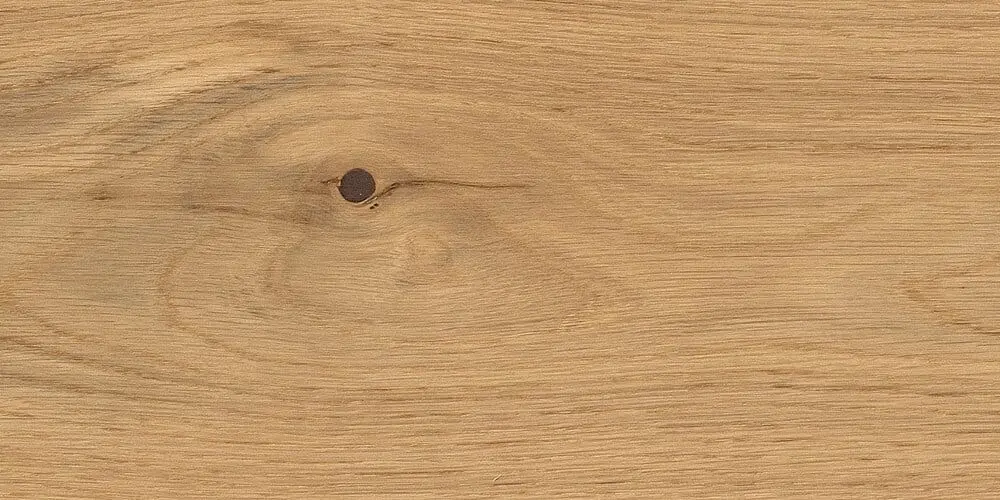
Oak Flooring Grades Explained: Universal, Markant, Sauvage & More
Grade isn't about quality — it's about character. Here's what each one means for your floor.
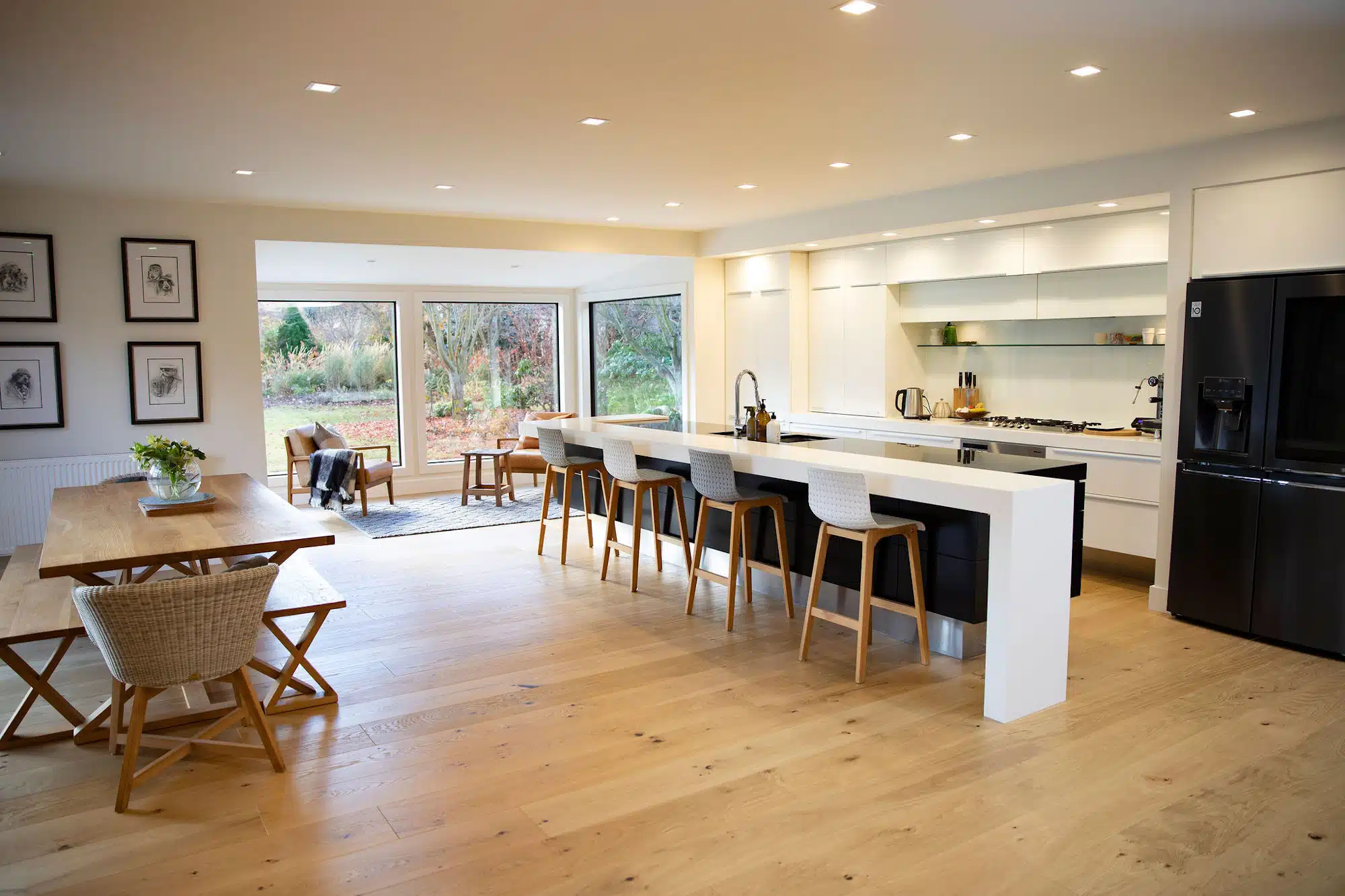
Wide Planks, Longstrip or Herringbone? Choosing Your Floor Format
Format changes everything about how a floor feels. Here's how to pick the right one.
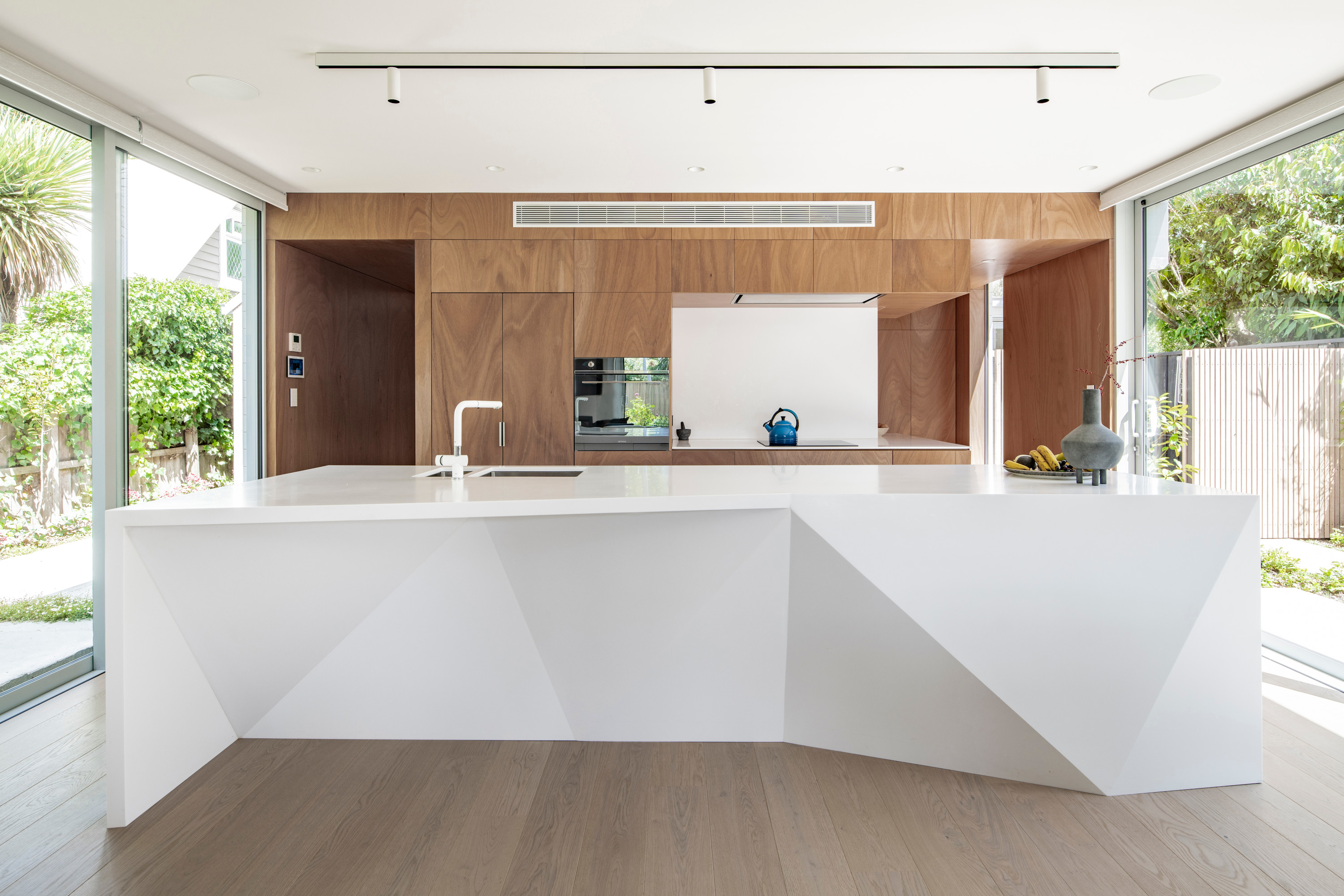
Is Engineered Timber Right for Kitchens, Bathrooms & Wet Areas?
Timber in the kitchen used to mean compromise. Not anymore — here's what you need to know.
How to Care for Engineered Timber Floors: A Maintenance Guide
Pre-finished and genuinely low-maintenance — here's the simple routine that keeps it beautiful for decades.
Turn the idea into a floor you can judge.
Use the guide to narrow the direction, then bring the decision back into the room with visualisation, samples and project advice.
Explore products
Move from the idea to the selected Australian HARO range.
Browse range → 02Use the visualiser
Test the mood and tone against your own room photograph.
Open visualiser → 03Order samples
See the surface in real light before the decision is final.
Request samples → 04Send the project
Use My HARO Project to send your shortlist, plans or document needs together.
Open hub →