
Sustainable Timber Flooring: A Guide to PEFC, the Blue Angel & Healthy Homes
What the certifications actually mean — and how to choose a floor that's genuinely good for your home and the planet.
"Sustainable" is an easy word to print on a brochure. But what should you actually look for in a timber floor that's genuinely responsible — for the forests it comes from and the home you live in? Here's how to cut through it.
Responsibly sourced timber (PEFC)
The first thing to check is where the wood comes from. PEFC certification guarantees timber is sourced from responsibly and sustainably managed forests. HARO was the first parquet brand in Europe to achieve 100% PEFC certification — and uses the whole tree, recycling wood waste in its own combined heat-and-power station.
Low-emission, healthy living (the Blue Angel)
A floor lives in the air you breathe. The Blue Angel — the world's first environmental seal — recognises products that are low-emission and healthy for indoor living. It's reassurance that you get the warmth of real timber without a cocktail of harmful substances. (More on this in our healthy living guide.)
Made to last is sustainable, too
The most sustainable floor is one you never have to replace. A genuine oak wear layer over a stable core, backed by a 30-year warranty, means decades of life — far less waste than cheaper floors that need replacing. Engineered construction also uses precious hardwood efficiently.
Buy once, buy well
The most sustainable purchase is the one you make once. Choosing a floor built to last decades — rather than one replaced every few years — is one of the most meaningful sustainability decisions in a home. Read more about our commitment and certifications.
Frequently asked questions
What does PEFC certification mean?
What is the Blue Angel seal?
Is engineered timber more sustainable than solid?
More guides
All articles
What to Expect When Installing Engineered Timber Flooring
From acclimatisation to the final clean — a step-by-step look at how a timber floor goes in.

The Best Timber Floor Colours for Small or Low-Light Rooms
The right floor can make a compact or dark room feel bigger and brighter. Here's how.
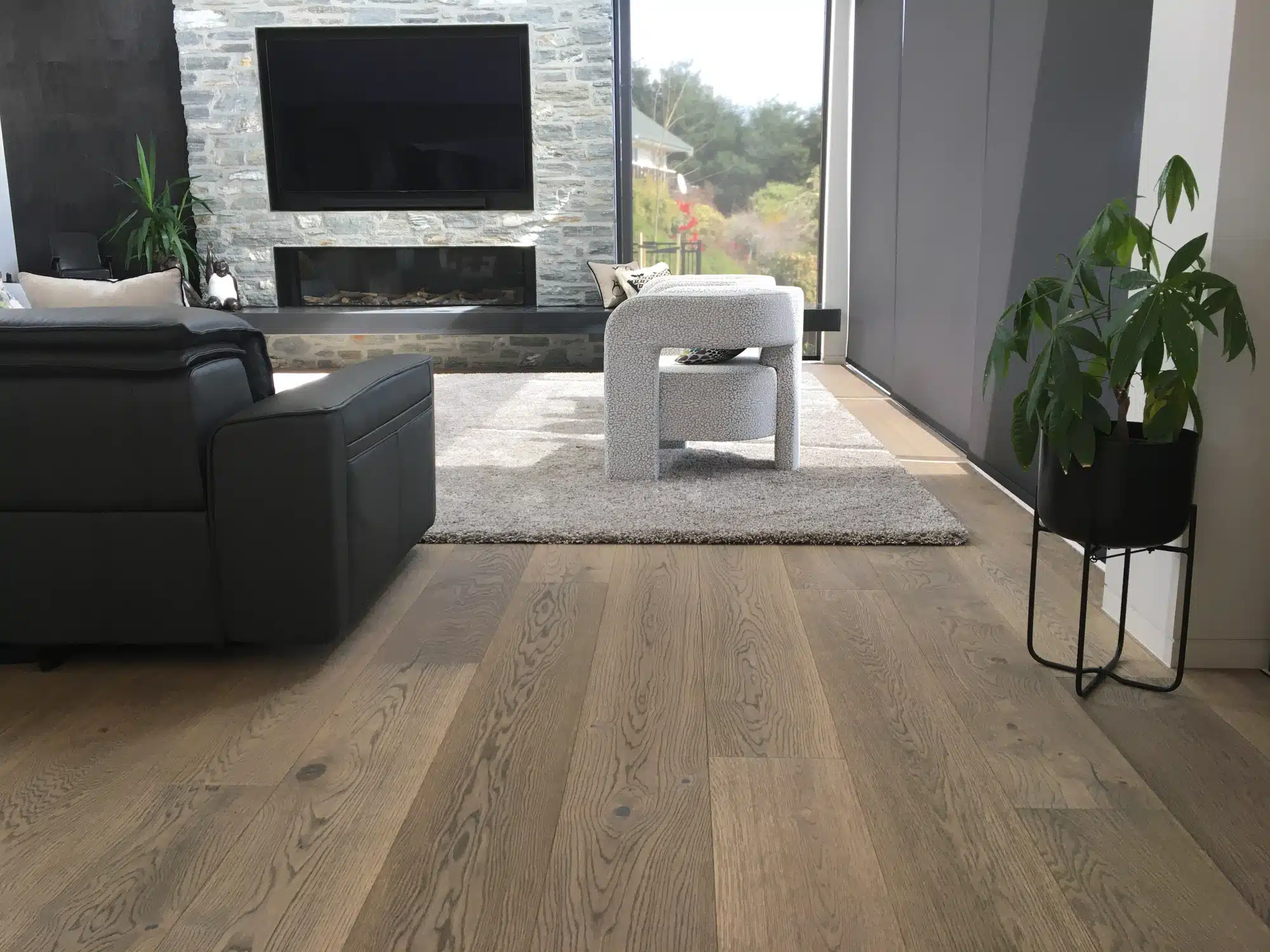
Engineered vs Solid Timber Flooring: Which Is Right for Your Australian Home?
The honest, side-by-side comparison — stability, cost, lifespan and which suits Australian homes.
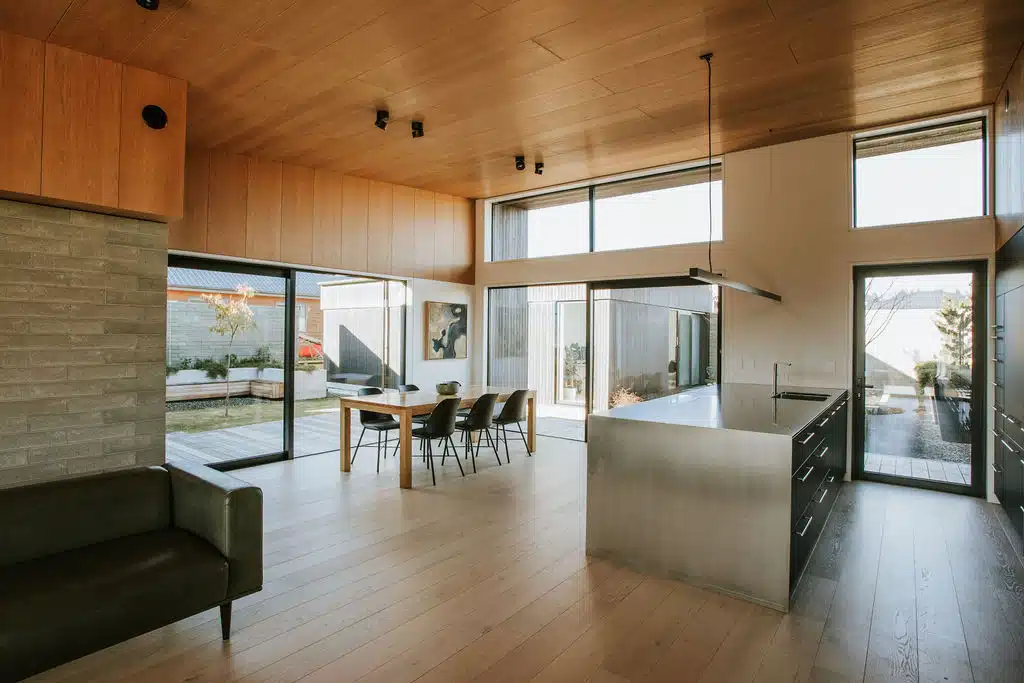
How to Choose the Right Timber Floor Colour for Your Home
Light, natural, grey or dramatic dark — how to pick a floor tone that works with your light, space and style.
Turn the idea into a floor you can judge.
Use the guide to narrow the direction, then bring the decision back into the room with visualisation, samples and project advice.
Explore products
Move from the idea to the selected Australian HARO range.
Browse range → 02Use the visualiser
Test the mood and tone against your own room photograph.
Open visualiser → 03Order samples
See the surface in real light before the decision is final.
Request samples → 04Send the project
Use My HARO Project to send your shortlist, plans or document needs together.
Open hub →